Between occupants and between visits
Rental Turnover & Property Checks
Give landlords and property managers a structured way to request suitable turnover work, move-in or move-out assistance, vacant-property observations, lockbox support, and coordination for a specific property. The agreed visit defines accessible areas, authorized contacts, task priorities, and response expectations before work begins.
Priority provides an organized request path and scheduling consideration, not a deadline guarantee.
Answer first
Start with the property, the milestone, and the ordered list.
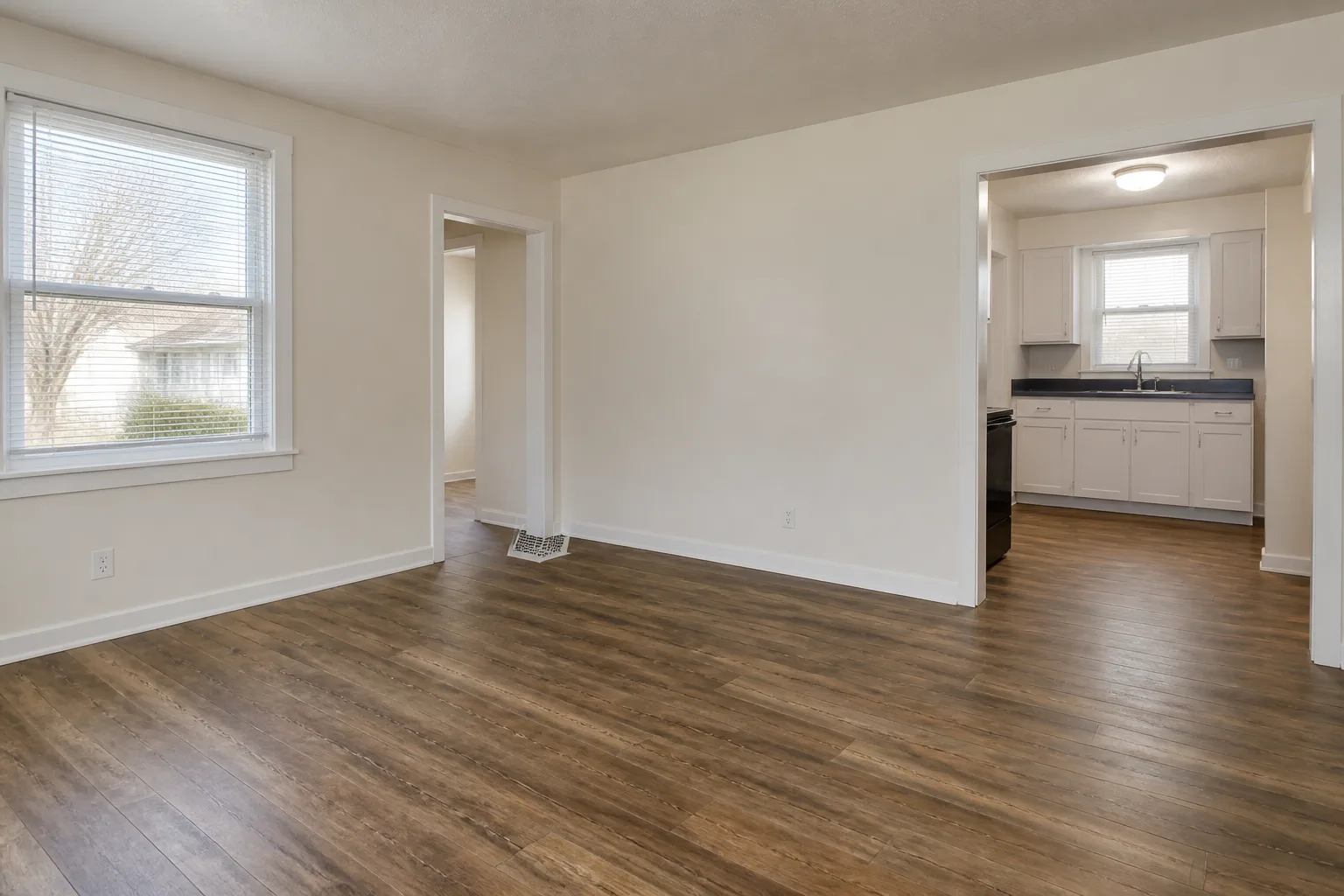
A turnover is an operational transition. The useful question is not whether every visible item can be fixed at once, but which tasks belong in the current scope, which decisions control occupancy readiness, and which issues need another provider. Iron Gate organizes suitable minor repairs, installation items, cleanup needs, access details, and follow-up observations into a property-specific plan.
Vacant-property checks serve a different purpose. They are agreed observational visits focused on the items and accessible areas named in advance. They are not home inspections, security patrols, emergency monitoring, property-management agreements, or guarantees against loss. If a visible condition suggests an urgent hazard or specialized trade issue, the appropriate contact and next step must be determined for that situation.
Property-specific scope
Practical support for a controlled property transition
Turnover and check requests remain distinct, while shared access, contacts, and vendor dependencies stay organized.
Rental turnover
Prepare a manageable between-occupant list with clear responsibility for materials and decisions.
- Suitable minor turnover repairs
- Hardware and installation items
- Manageable property cleanout needs
- Move-in and move-out assistance
Vacant-property checks
Define the requested observation points before the visit rather than implying a broad inspection.
- Agreed visual check points
- Access and lockbox coordination
- Visible-condition notes
- Escalation to the authorized contact
Vendor coordination
Keep responsibilities clear when the property needs work outside Iron Gate’s direct scope.
- Site-access coordination requests
- Task and vendor sequencing
- Authorized-contact communication
- Unresolved-item follow-up
Organized property planning
A businesslike path from request to confirmed scope
A consistent request process helps multi-property professionals keep each address, occupancy stage, and authorized decision-maker separate.
Define the property state
Share whether the property is occupied, vacant, moving out, or preparing for move-in, along with access limits and the requested date.
Set the task or check list
Identify repair priorities, requested observation points, products or materials, cleanup needs, and known vendors without including unnecessary tenant data.
Confirm communication and scope
Establish the authorized contact, accepted work, observational limits, dependencies, and scheduling considerations before the visit or turnover work.
Dates without false promises
Timing is useful context, not a fabricated guarantee.
An occupancy or lease date helps Iron Gate plan the sequence. Priority service provides scheduling consideration, while availability and the agreed scope remain specific to the property.
Access changes, owner approvals, material selections, conditions discovered after vacancy, other vendors, and regulated-trade needs can change the plan. Requests should identify which items are essential to the transition and which can wait.
Scope boundaries
Clear roles protect the property and the transaction.
A vacant-property check is not a home inspection, code review, security service, emergency response, environmental assessment, or guarantee that every condition will be found. Iron Gate does not assume ongoing property-management responsibility unless a separate verified agreement exists.
No occupancy-readiness, deadline, code-compliance, tenant, vendor, or contractor-availability outcome is guaranteed. Iron Gate handles work it is qualified and authorized to perform and coordinates or refers specialty work when appropriate.
Related paths
Keep connected property needs in view
Listed service areas
Iron Gate is based in Canfield and reviews requests across listed Mahoning, Columbiana, and Trumbull county communities.
View every listed service area →Practical questions
Questions about rental turnover & property checks
What can be included in a vacant-property check request?
List specific accessible observation points, the access method, the authorized contact, and the action expected if a visible concern is found. The agreed list defines the visit.
Can tenant information be added to the request?
Provide only what is necessary for lawful access and coordination. Do not send leases, financial records, identity documents, health details, or unrelated personal information.
Can repair and cleanup work share one turnover request?
Yes. Separate the items by priority and note any hauling, disposal, hazard, product, access, or vendor dependency. Each category still receives its own scope review.
Does a property check include emergency response?
No. The visit follows agreed observation points and communication steps; it is not monitoring, patrol, inspection, or emergency service.
Dedicated professional support
Bring the complete property list into one request.
Include the role, property, requested milestone, access details, ranked tasks, and only the documents needed to understand the work.